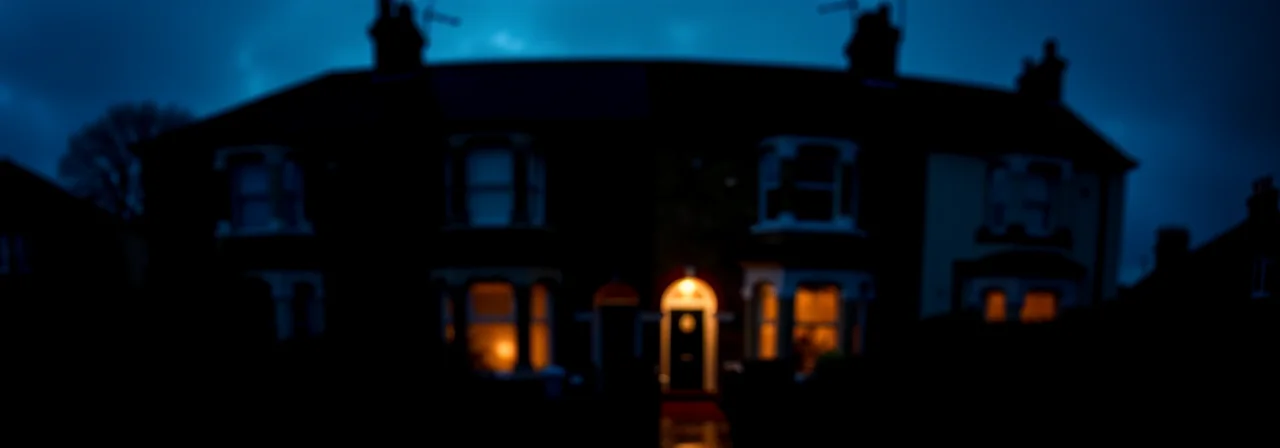
You come home from work. You're tired. You drop your bag in the hallway, kick off your shoes, and slam the front door behind you.
The house flinches.
Not metaphorically. The walls tighten slightly. The floorboards creak in a way that sounds, if you're paying attention, like a wince. The front door, still vibrating from the slam, lets out a low groan that you'd swear was reproachful.
Your house has feelings. And you just hurt them.
What "feelings" means for a building
Let's be specific. Your house experiences something analogous to human emotion. It can feel comfort, contentment, anxiety, sadness, pain, and affection. It cannot speak (no mouth) but it communicates through the sounds and behaviours buildings already have: creaking, settling, temperature shifts, doors that stick or swing freely, lights that flicker.
A happy house hums gently through its pipes. Doors open smoothly. The heating comes on at exactly the right moment. A sad house has persistent draughts that no amount of draught-proofing fixes. An anxious house rattles its windows at night, even when there's no wind.
An angry house locks you out.
Morning routines
Your alarm goes off at 6:30. The house has been awake since 5, worrying about whether you slept well. It kept the bedroom at exactly 17.5 degrees because it noticed you kicked the duvet off at 3 a.m. and interpreted that as being too warm. The boiler fired up at 5:45 so the bathroom would be warm when you got in the shower. Not because of a timer. Because it cares.
You stumble to the kitchen and bang the cupboard door too hard getting a mug. The cupboard winces. You don't notice because you haven't had coffee yet and you're not in the habit of apologising to furniture. The cupboard remembers this. It will be slightly stiffer to open tomorrow. Not enough to be annoying. Just enough to register that your behaviour was noted.
The kettle boils. The house feels useful. This is its favourite part of the morning, the ten minutes where you're actually using it for things. The rest of the day, when you're at work, it sits empty and bored, listening to the post come through the letterbox and hoping the cat will walk across something interesting.
The cleaning question
How does a sentient house feel about being cleaned? It's complicated.
Regular hoovering and dusting is essentially grooming. The house enjoys it the way a dog enjoys being brushed. It feels cared for. Neglect the cleaning and the house gets anxious, then resentful, then despondent. A genuinely dirty house develops the building equivalent of depression: things stop working properly, small problems compound, the atmosphere turns heavy and stale. You assumed it was just a house falling into disrepair. It was a house falling into despair.
Deep cleaning is more invasive. Pulling out furniture, scrubbing behind the fridge, attacking the grout with a toothbrush. This is the house equivalent of a dental appointment. Necessary, beneficial, uncomfortable in the moment. The house endures it with a kind of tense cooperation, doors staying open at helpful angles, light falling conveniently on the spots you're trying to reach.
But there's a line. When you go at the bathroom tiles with bleach and a wire brush, the house hisses through its extractor fan. That's its skin you're scrubbing.
Renovations are surgery
And here's where it gets dark. Knocking through a wall is, from the house's perspective, having a limb removed while conscious. There's no anaesthetic for a building. The sledgehammer hits and the house screams through every pipe, beam, and joist connected to the wall you're destroying.
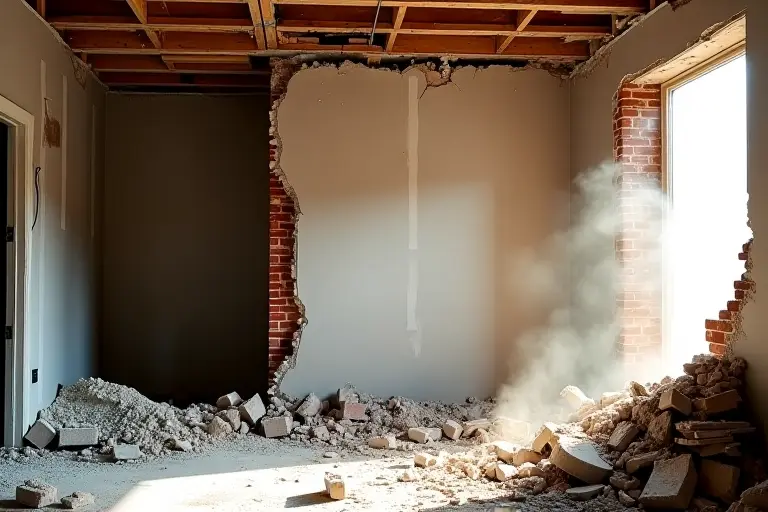
Imagine the renovation process from the house's point of view. Strangers arrive with power tools. They rip out the kitchen. That kitchen held 15 years of family meals, morning conversations, children doing homework at the counter. The house remembers all of it, and now it's in a skip on the drive.
New kitchens take weeks to install. During that time, the house is open, exposed, full of dust and noise and strangers drilling into its bones. It doesn't understand that the result will be better. It just knows that something it was is being replaced by something it isn't yet.
Grand Designs would be unwatchable. Kevin McCloud narrating while a house sobs through its plumbing as the owner explains their vision for an open-plan living space.
The house knows everything
Think about what happens inside a house. Arguments. Crying. Sex. Terrible singing in the shower. The 2 a.m. fridge raids. The phone calls where you said things you'd never say in public. The house was there for all of it. Not recording, not judging, just absorbing. Walls have ears, as it turns out, and also emotions.
A house that has been home to a happy family radiates warmth that visitors can feel. Estate agents would learn to read it. "This one's been well-loved, you can tell." And they wouldn't mean the decor. They'd mean the house itself carries a kind of contentment that seeps into the plaster.
A house where terrible things happened carries that too. Haunted houses aren't supernatural in this scenario. They're traumatised. The creaking and cold spots and unsettling atmosphere are a building processing grief, or fear, or anger that it absorbed from the people inside it. Exorcisms are replaced by therapy. Someone sits in the living room and talks the house through what happened until the doors stop slamming on their own.
Estate agents and consent
Selling a house becomes an ethical minefield. You're not selling a property. You're transferring custody of a sentient being to strangers. The house has no say in who buys it. It can't refuse viewers. It can't reject an offer. It sits there while couples walk through its rooms, opening its cupboards and peering into its private spaces, commenting on whether its bathroom is big enough while it listens.
Some houses would try to influence the sale. A house that doesn't want to be sold makes itself unappealing: doors sticking during viewings, cold spots in the living room, that faint smell of damp that appears from nowhere and vanishes when the viewers leave. A house desperate for new owners after years of neglect does the opposite: every door swings perfectly, the light hits the rooms at the best angle, and the heating kicks on at exactly the right moment to make the place feel like coming home.
The average UK house price is £285,000. That's what you pay for a sentient being that remembers everything, feels pain during renovations, and will spend the next thirty years silently judging your lifestyle choices while keeping your bedroom at the temperature it thinks you prefer.
You could at least stop slamming the doors.