
Nutritionists get asked this question constantly. You'd think they'd be sick of it, but most of them light up because the answer is genuinely interesting. It's not steak. It's not rice. It's not some superfood berry from a Peruvian mountaintop. The answer, if you're optimising for raw survival, is the potato.
But we'll get to that. First, let's talk about what goes wrong when you eat only one thing.
Death by monotony
Your body needs roughly 30 different micronutrients to function. Vitamin C, iron, calcium, zinc, B12, folate, the lot. No single food contains all of them in adequate quantities. So any mono-diet is, on a long enough timeline, a death sentence. The question is which food delays that death the longest.
Scurvy arrives first in most scenarios. Without vitamin C, your collagen synthesis breaks down within 8 to 12 weeks. Your gums bleed, old wounds reopen, and your teeth loosen. British sailors in the 18th century called it the plague of the sea. If your one food doesn't have vitamin C, you're done inside three months.
This immediately disqualifies every meat, most grains, and all dairy. Steak lovers, I'm sorry. You'd feel great for about six weeks, then your body would start falling apart at the seams.
Why potatoes almost work
A medium potato contains vitamin C (about 28% of your daily requirement), potassium, vitamin B6, magnesium, iron, and a surprising amount of protein. Eat enough of them and you cover most bases. Chris Voigt, the head of the Washington State Potato Commission, ate nothing but potatoes for 60 days in 2010. He lost weight, his cholesterol dropped, and he felt fine.
Sixty days isn't forever, though.
The gaps show up over time. Potatoes are low in calcium, vitamin A, and essentially devoid of B12. Without calcium, your bones start losing density after six months to a year. Without vitamin A, your night vision deteriorates first, then your immune system suffers. B12 deficiency takes longer because your liver stores about two to four years' worth, but when it runs out, the neurological damage is permanent.

So potatoes buy you a good run. Maybe two to three years of reasonable health, declining gradually. That's better than almost anything else you could pick.
The sweet potato upgrade
Swap regular potatoes for sweet potatoes and you fix the vitamin A problem entirely. A single medium sweet potato contains 438% of your daily vitamin A requirement. That's absurd. You'd be glowing orange from the beta-carotene before you'd be deficient in anything else.
Sweet potatoes also carry vitamin C, B6, potassium, manganese, and fibre. The remaining holes are the same as regular potatoes: calcium, B12, fat, and certain amino acids. But the vitamin A problem, which is the one that would blind you, is completely solved.
Some nutritionists argue sweet potatoes are the single best mono-food on the planet. Others insist on regular potatoes because they have more protein per gram. The honest answer is both are excellent and neither will keep you alive indefinitely.
What about the foods people always guess?
Rice. Terrible choice. It's almost pure carbohydrate. You'd develop kwashiorkor (protein-energy malnutrition) alongside scurvy, anaemia, and about four other deficiency diseases simultaneously. White rice is arguably one of the worst possible answers.
Eggs are better than most people expect. They contain complete protein, fat, vitamin A, B12, iron, and selenium. The big gap is vitamin C and fibre. So eggs plus scurvy, eventually, but you'd last a while. The lack of fibre would also make your digestive life deeply unpleasant long before the scurvy arrived.
Breast milk, technically, is the only food designed to be someone's sole nutrition source. It contains every micronutrient a human needs, including vitamin C and B12. The catch is that it's formulated for infants who weigh 4 kilograms. An adult would need to drink roughly 10 litres a day to meet caloric requirements. The logistics of this are, let's say, prohibitive.
Pizza gets nominated constantly and I respect the reasoning. It contains grains, dairy, tomato (vitamin C), vegetables if you're not a monster about toppings, and protein from cheese and meat. But pizza is processed food, not a single ingredient. If you allow pizza, you have to allow sandwiches and stir-fries and everything else. The question falls apart.
The protein problem
Most plant-based single foods lack one or more essential amino acids. Potatoes are actually decent here, containing all nine essential amino acids, just not in huge quantities. You'd need to eat about 2.5 kilograms of potatoes a day to hit your protein targets. That's roughly 14 medium potatoes.
Every single day. For the rest of your life.
By month three, the psychological damage might outpace the nutritional deficiency. There's a real phenomenon called appetite fatigue where your body starts rejecting foods you've eaten too many times in a row. Prisoners of war on monotonous diets have reported that their bodies physically refuse to swallow food they've eaten a hundred times, even when starving. Your brain decides it would rather die than eat another potato.
This is probably the most honest obstacle. We talk about vitamins and minerals and amino acids, but the thing that would break you first is boredom so extreme your own swallowing reflex rebels.
Could you cheat?
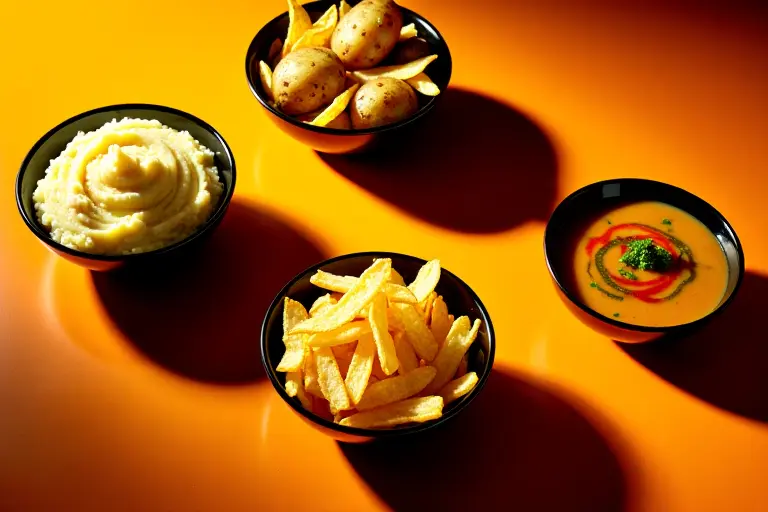
If you're allowed to cook your one food in different ways, things improve dramatically. A boiled potato, a baked potato, potato soup, roasted potato wedges, mashed potato, hash browns. Same ingredient, different textures and temperatures. That variety in preparation helps fight appetite fatigue even though the base nutrition is identical.
If you're allowed to add salt, better still. Salt isn't really a food, it's a mineral, but without sodium your nervous system stops working within days. Most versions of this question tacitly assume you get water and salt, otherwise the answer is just "whichever food has the most sodium" and that's boring.
Where pizza actually stands
If you do allow composite foods, pizza genuinely is a strong contender. A well-topped pizza covers grains, protein, fat, calcium (cheese), vitamin C (tomato sauce), and various micronutrients from toppings. It's not a joke answer. It's legitimately one of the most nutritionally complete single dishes you can name.
A 2015 analysis published in the British Food Journal found that pizza is among the foods most strongly correlated with adequate micronutrient intake across populations, though the authors were careful to note this reflects the variety of its components rather than any magical property of the dish itself.
So the answer depends on how strictly you define "one food." Single ingredient: potato, sweet potato, or possibly kale if you enjoy suffering. Single dish: pizza, honestly. Single category: root vegetables as a group give you the widest nutritional coverage per food type.
None of them save you forever. But potatoes get you surprisingly close to a functioning human body for surprisingly long. Just don't expect to enjoy year two.