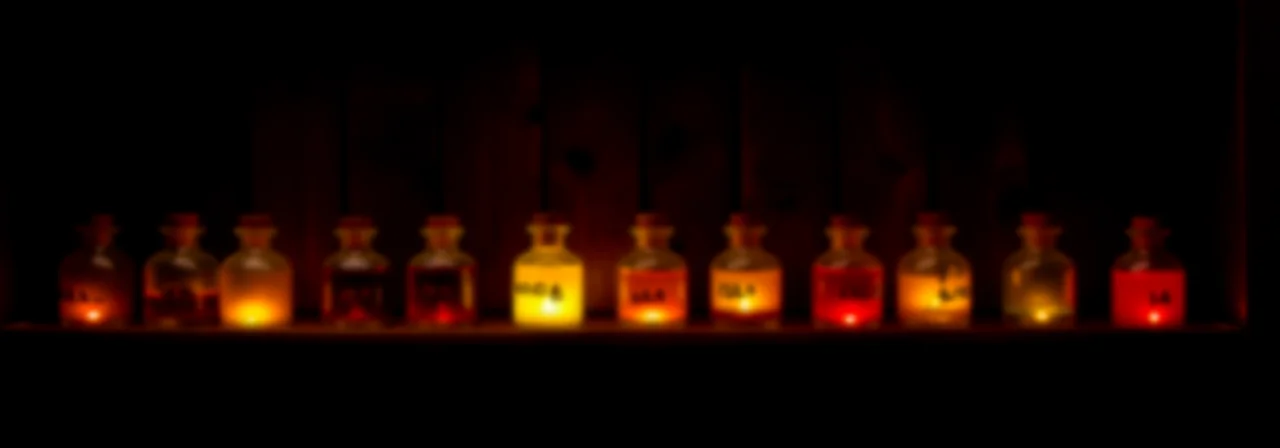
You're in a supermarket. Aisle seven, between the energy drinks and the vitamin supplements, there's a new shelf. Small glass bottles, neatly labelled, colour-coded. Joy (Citrus Burst). Calm (Lavender Mist). Confidence (Cedar & Amber). Nostalgia (Sunday Afternoon). Each one contains a clear liquid that, when consumed, produces the corresponding emotion for approximately four hours.
Not a drug that mimics the chemical effects. The actual emotion. Genuine, subjectively real, indistinguishable from the feeling you'd have if your life circumstances produced it naturally. You drink Confidence and you feel confident. Not artificially wired, not stimulated. Confident. As if you just nailed a presentation and everyone stood up and clapped.
Twelve quid a bottle. Three for thirty.
The obvious first market
Confidence sells out within hours of launch. Calm is a close second. Joy does well but not as well as you'd expect, because people are suspicious of pure happiness. It feels excessive. Like eating cake for breakfast on a weekday.
The surprise bestseller is Contentment. Not happiness, not excitement, not euphoria. Just the quiet, settled feeling that things are fine. That you're fine. That nothing particularly needs to change right now. It turns out this is the emotion people miss most and experience least in their daily lives. The manufacturer can't keep it in stock.
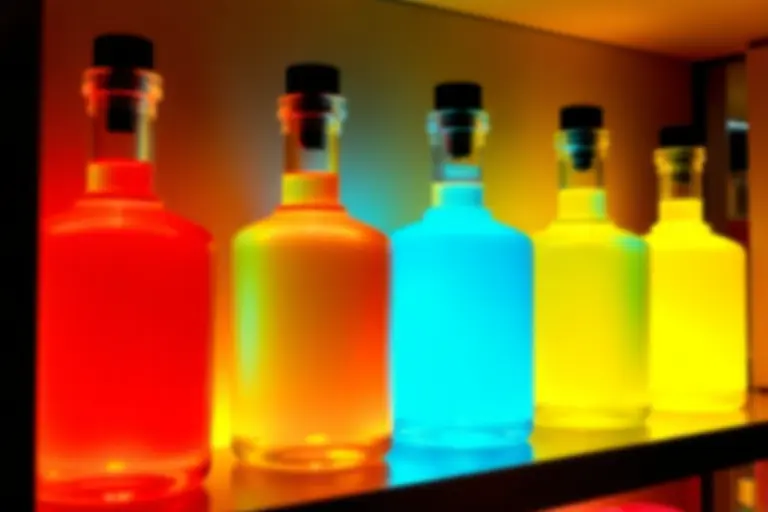
Grief bottles exist but nobody buys them. They sit on the shelf gathering dust, until a theatre company realises that method actors will pay a fortune for authentic emotional states on demand. Suddenly Grief (Autumn Rain) is a backstage essential. So is Rage (Black Pepper), which previously only sold to people going through divorces who wanted to feel something other than numb.
The workplace
Employers start providing emotion bottles in the office kitchen, right next to the instant coffee and the UHT milk that's been there since March. Focus (Peppermint) becomes standard issue for anyone with a deadline. Resilience (Smoked Oak) gets handed out before redundancy announcements.
Within six months, some companies make it policy. "Please ensure you have consumed your daily Focus before the 9am standup." It's not mandatory, officially. But the people who don't take it are slower, less productive, and first on the list when the next round of cuts comes.
Employment tribunals start hearing cases about emotional coercion in the workplace. A woman in Bristol sues her employer after being pressured to take Calm before a meeting with an aggressive client. She wins. The ruling establishes that compulsory emotion consumption is a violation of bodily autonomy. Companies switch to "strongly recommended" instead of "required." Nothing materially changes.
Dating on bottles
First dates get complicated. You're sitting in a restaurant and you can't tell if the person across from you is genuinely enjoying your company or running on a £12 bottle of Attraction (Rose & Sandalwood) they downed in the car park.
Some people adopt a "sober dating" policy. No bottles on the first three dates. Real emotions only. This becomes a selling point on dating profiles: "Bottle-free since 2028." There's a certain romance to it. The deliberate choice to experience the full awkwardness, the real uncertainty, the unmedicated nervousness of actually liking someone without chemical assistance.
Others go the opposite direction. Mutual bottle consumption as a bonding ritual. Both of you take Openness (Sage) before dinner and spend three hours being genuinely vulnerable with a stranger. It's efficient. It's terrifying. It works about 60% of the time.
The addiction spiral
Here is where the story gets dark, and it gets dark quickly.
Contentment costs £12 and lasts four hours. That's £3 an hour to feel okay about your life. For someone whose baseline emotional state is anxious, depressed, or just flatly miserable, that's an extraordinary bargain. Cheaper than therapy. Faster than antidepressants. More reliable than exercise, meditation, or any of the other things doctors suggest when you tell them you're not coping.
Usage starts at one bottle a day. Then two, because the four-hour window doesn't cover the evening and nobody wants to go to bed without it. Then three, because waking up at 3am with the Contentment worn off is worse than never having taken it. You know what contentment feels like now. Its absence is sharper than it was before.
At three bottles a day, you're spending £36 daily, £252 a week, over £13,000 a year. On feeling okay. Not ecstatic, not euphoric. Just okay. The financial pressure of the habit makes your actual life worse, which makes the baseline emotion you're trying to escape from even more unpleasant, which makes the bottles more necessary. The spiral is textbook addiction, except the substance being abused is contentment itself.
The black market
Regulation arrives within the first year. Emotion bottles are classified somewhere between alcohol and pharmaceuticals. Age restrictions. Purchase limits. Warning labels. "Excessive consumption of Confidence may result in emotional dependency and impaired natural emotional regulation."
The black market appears the same week the regulations do. Unlicensed manufacturers produce cheaper versions with inconsistent dosing. A bottle labelled Calm that actually contains Euphoria. A bottle labelled Focus that contains nothing at all. Counterfeit emotions become a public health crisis.
And then there are the emotions nobody asked for. Spite. Jealousy. Paranoia. Righteous Fury. These never appeared on the legitimate market, but someone synthesised them anyway, and they sell extremely well in certain corners of the internet. Imagine buying a bottle of Indifference and slipping it into someone's drink before a custody hearing. Imagine weaponised apathy. The legislation trying to keep up with this would be hundreds of pages long and always six months behind the manufacturers.
What happens to real feelings?
This is the part that keeps the psychologists up at night. If you can bypass your natural emotional responses with a bottle, what happens to the emotional processing that feelings are supposed to perform?
Grief exists for a reason. It's miserable, but it's the mechanism by which humans process loss, adjust expectations, and eventually adapt. Skip it with a bottle of Joy and the loss doesn't get processed. It sits there, undigested, waiting. You can suppress it indefinitely as long as you keep buying bottles, but the moment you stop, it's all still there. Possibly worse for having been deferred.
Anxiety exists for a reason too. It's an alarm system. Unpleasant, often miscalibrated, frequently excessive, but functional. Silence it with Calm and you stop responding to genuine threats. Your finances are a mess, your relationship is failing, your health is declining, but you feel fine. You feel calm. You feel, specifically, the calm of someone who has purchased the absence of concern at £12 a go.
Natural emotional range starts to atrophy. People who've been on bottled emotions for years find that their unmedicated feelings are muted, shallow, hard to identify. They've outsourced their emotional life to a product, and like any unused capacity, the original infrastructure has degraded.
The sobriety movement
A counter-movement forms. "Raw emotioners" who refuse all bottled emotions and insist on experiencing life unmedicated. They're annoying about it in the way that all lifestyle purists are annoying about it. They bring it up at dinner parties. They post about it online. They look at you with thinly veiled judgment when you crack open a bottle of Motivation (Bergamot) on a Monday morning.
But they have a point. And the point is this: if your happiness is something you buy in a bottle, then you're not happy. You're a customer. The bottle doesn't fix the conditions that made you unhappy. It just sells you the feeling of having fixed them. When it wears off, the conditions are still there, and you need another bottle.
Four hours. Twelve quid. Repeat until you can't afford it or can't remember what it felt like to feel something on your own.