
Facebook launched in February 2004. Twitter in July 2006. Instagram in October 2010. TikTok reached the West around 2018. In the space of less than two decades, these platforms rewired how three billion people communicate, argue, shop, date, organise, and waste time.
Strip all of it out. Not the internet. Not email, not forums, not blogs. Just the specific innovation of social media: the algorithmic feed, the follower model, the like button, the share mechanic. What if none of it had ever been built?
The attention economy doesn't exist
Without social media, the business model of harvesting attention through algorithmic feeds never takes hold. The advertising industry still moves online (Google search ads were already enormous before Facebook), but the specific machinery of targeted behavioural advertising based on social graph data doesn't develop.
This is bigger than it sounds. The attention economy drove the design philosophy of an entire generation of software. Infinite scroll, push notifications, autoplay video, engagement metrics as the primary measure of content quality. All of it was built to keep you on-platform longer so you'd see more ads. Without social media, phones are still smart, but they're less addictive. The average person wouldn't be spending two hours and twenty-three minutes per day on social platforms, because those platforms wouldn't exist.
What fills the gap? Probably nothing singular. The time gets distributed. More television. More phone calls. More boredom, which sounds negative but historically correlates with creativity. More staring out of windows, which I'd argue the world could use more of.
News stays slower
The 24-hour news cycle existed before Twitter, but social media accelerated it into something unrecognisable. Breaking news now means "someone tweeted about it." Verification comes second, if at all. The emotional temperature of any event gets set within minutes by whichever take goes viral first.
Without social media, news cycles are slower. A political scandal unfolds over days, not hours. There's time to report, check sources, write considered analysis. The hot take as a cultural form doesn't emerge because there's no platform that rewards being first and loud over being right and thorough.
Misinformation still exists. It always has. But its transmission speed drops dramatically. A conspiracy theory that can circle the globe in twelve hours on Facebook takes months to spread through email chains and forum posts. The anti-vaccination movement predates social media, but the speed at which it recruited during the COVID-19 pandemic was a direct product of algorithmic amplification. Without that machinery, bad information still spreads, just slowly enough that corrections can keep pace.
Politics without the megaphone
This is where it gets complicated, because social media didn't just amplify nonsense. It also amplified movements that struggled to get mainstream attention.
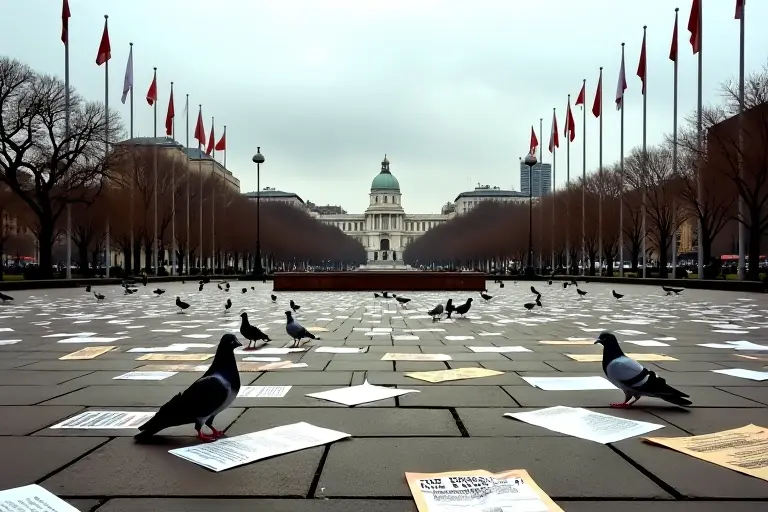
The Arab Spring of 2010-2012 used Facebook and Twitter as organisational tools. Protesters in Tunisia, Egypt, and Libya coordinated through social platforms when state media was controlled and traditional organising was dangerous. Would those revolutions have happened without social media? Probably. The underlying grievances were real and decades old. But the speed and coordination would have been different. Some historians argue the revolutions would have been slower but more durable, with deeper organisational roots instead of the flash-mob quality that made some of them easy to reverse.
#MeToo began as a hashtag in October 2017. Without Twitter, the allegations against Harvey Weinstein still get published (the New York Times and New Yorker investigations happened through traditional journalism), but the cascade of millions of women sharing their own experiences doesn't happen in the same concentrated, undeniable wave. The cultural shift still occurs, perhaps, but over years rather than weeks.
Black Lives Matter, the Hong Kong protests, the Iranian women's movement. All used social media as a critical tool. The uncomfortable truth is that the same platform dynamics that spread conspiracy theories also spread genuine grassroots organising. You don't get to keep one without the other.
Mental health
The research here is contested but directional. A 2019 study in the American Economic Review found that Facebook's introduction to college campuses correlated with a significant increase in severe depression and anxiety diagnoses, particularly among students most susceptible to unfavourable social comparisons. Instagram's own internal research, leaked in 2021, acknowledged that the platform made body image issues worse for one in three teenage girls.
Without social media, the specific pathology of comparing your unedited life to everyone else's curated highlights reel doesn't develop. Cyberbullying still exists (it predates social media via email and messaging), but the public, permanent, algorithmically amplified version of it doesn't. A cruel comment on a forum post reaches dozens. A cruel tweet reaches millions.
Teenagers in this alternate world still face social pressure, obviously. Adolescence was brutal long before Mark Zuckerberg was born. But the 24/7 nature of it, the inability to ever fully leave the social arena, that's gone. You go home from school and you're actually home.
The loneliness question
Here's the part that doesn't fit the clean narrative. Social media, for all its documented harms, is also how millions of isolated people found their communities. LGBTQ+ teenagers in hostile small towns. People with rare diseases connecting with the only other fifty people on Earth who share their condition. Niche hobbyists, diaspora communities, disabled people who can't easily leave their homes.
Without social media, these connections are harder. Not impossible. Forums and message boards did similar work, and they'd presumably still exist. But the scale is different. Facebook groups for specific medical conditions have hundreds of thousands of members. The equivalent pre-social-media forum might have had a few hundred.
Some people would be lonelier. That matters and it's dishonest to pretend otherwise.
What about the economy
Social media created an entire economic layer that wouldn't exist. Influencer marketing is a $21 billion industry as of 2024. Social media management is a standard job title. Small businesses that can't afford traditional advertising use Instagram and TikTok as their primary storefront. The creator economy, where individuals monetise their audience directly, is largely a social media phenomenon.
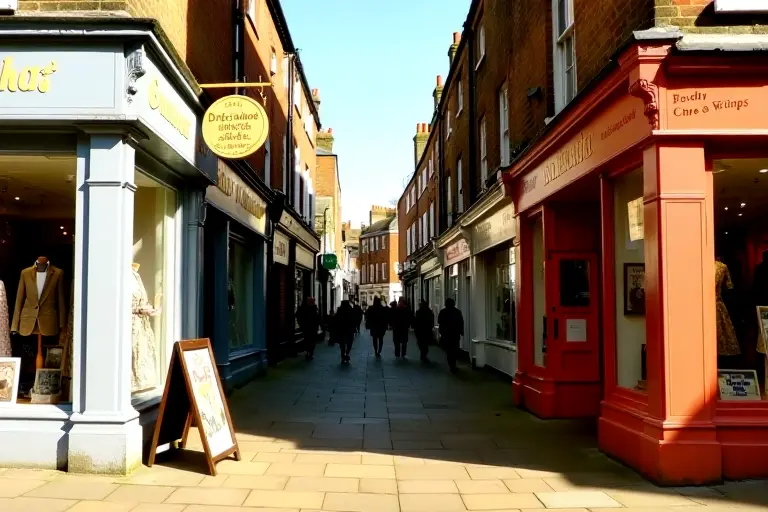
Without it, small business marketing looks more like it did in 2003. Local newspapers, flyers, word of mouth, Google Ads, maybe a website with good SEO. Some businesses that thrived through social media virality (think small candle makers who blew up on TikTok) never get discovered. The playing field is less level, or perhaps differently level. Traditional gatekeepers retain more power: magazine editors, TV producers, newspaper reviewers.
Whether that's better or worse depends entirely on whether those gatekeepers would have done a decent job. History suggests mixed results.
The world without social media isn't a paradise. It's a world with different problems. Slower information flow, for good and ill. Stronger traditional media gatekeepers, for good and ill. Less connection for marginalised communities. Less ammunition for demagogues. Probably fewer teenagers in crisis, and probably more people who never find their people at all. It isn't a clean trade.